Classic cherry phosphate drink recipe for a nostalgic soda experience
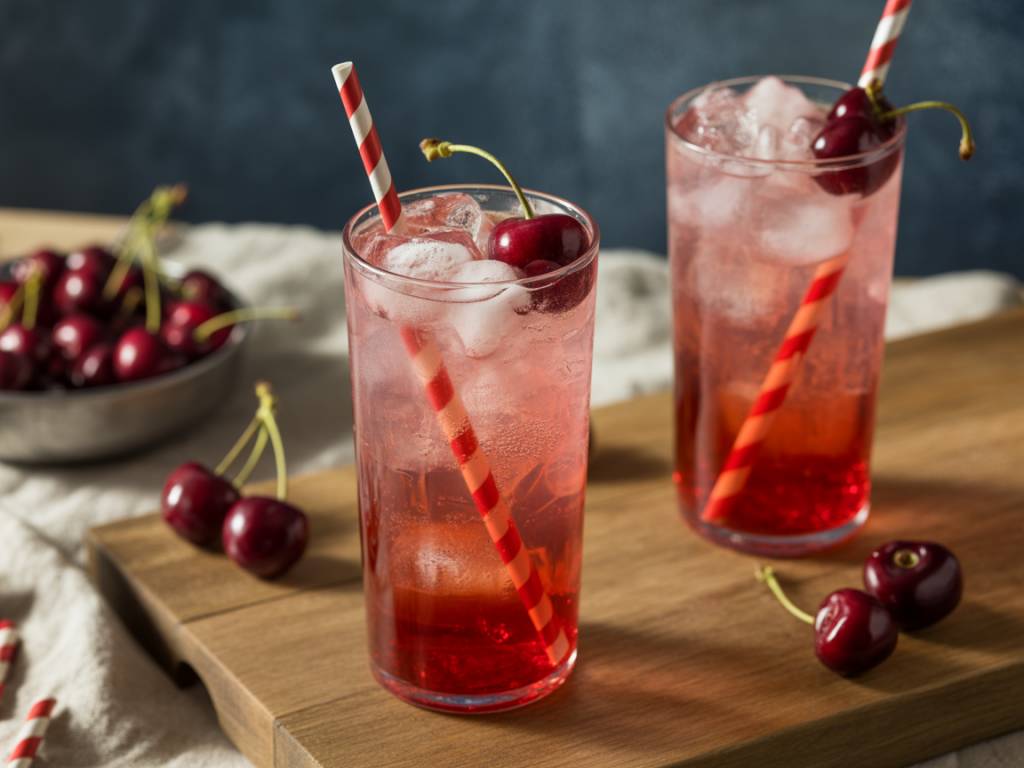
Classic cherry phosphate drink recipe for a nostalgic soda experience
Long before plastic-bottled sodas lined supermarket shelves, soda fountain operators were mixing up something far more interesting — a tart, fizzy, achingly refreshing concoction called the cherry phosphate. This forgotten classic is making a quiet comeback, and with good reason. It takes less than five minutes to make, uses simple ingredients, and delivers a layered sweet-tart complexity that no mass-produced soft drink can match. Whether you’re chasing a childhood memory or discovering it for the first time, this classic cherry phosphate drink recipe for a nostalgic soda experience is your starting point.
What Is a Cherry Phosphate and Why Does It Taste So Unique?
A cherry phosphate is a vintage American soda fountain drink built on three core elements: cherry-flavored syrup, carbonated water, and a small dose of acid phosphate (or an accessible substitute). That last ingredient is what sets it apart from a simple cherry soda. The phosphate adds a dry, mineral tartness — a kind of clean bite that cuts through the sweetness and makes the drink feel alive on the palate.
Phosphoric acid became widely used in soft drink formulas during the late 1800s. It was a deliberate choice by soda jerks to add complexity without using citrus, which could clash with certain syrups. Today, food-grade acid phosphate is experiencing a revival among craft bartenders and homebrewers who want to replicate that authentic old-fashioned flavor.
- Sweetness: Comes from cherry syrup — homemade or store-bought
- Fizz: Supplied by cold sparkling water
- Tartness: The phosphate element — the ingredient that makes it a phosphate, not just a soda
Classic Cherry Phosphate Drink Recipe for a Nostalgic Soda Experience
This recipe serves one generous glass. It scales easily — double or triple it for a small gathering.
Ingredients
- 2 tablespoons cherry syrup (homemade or commercial)
- ¼ teaspoon food-grade acid phosphate or ½ teaspoon fresh lemon juice as a substitute
- 200 ml (about 6.75 oz) cold carbonated water — plain sparkling, not mineral-flavored
- Handful of ice cubes (optional but recommended)
- 1 maraschino cherry or fresh cherry for garnish
Step-by-Step Instructions
- Start with the syrup and acid: Pour the cherry syrup and your acid component (acid phosphate or lemon juice) into a tall glass. Stir briefly to combine.
- Add ice: If using, place the ice in the glass now so it chills the syrup before you add the carbonated water.
- Pour the sparkling water slowly: Tilt the glass slightly and pour the carbonated water down the side. This preserves the fizz and keeps the drink lively.
- Stir once, gently: A single slow stir from the bottom blends everything without losing carbonation.
- Garnish and serve immediately: Drop in a cherry and serve before the bubbles fade.
The whole process takes under three minutes. The result is a drink that looks elegant, tastes complex, and costs almost nothing to make.
How to Make Homemade Cherry Syrup
Store-bought cherry syrup works in a pinch, but making your own takes the flavor to a completely different level. Sour cherries — widely available in Georgia during June and July — produce a syrup with a depth and natural tartness that commercial versions simply can’t replicate.
Simple Sour Cherry Syrup Recipe
- 500g (about 1 lb) pitted sour cherries, fresh or frozen
- 300g (1½ cups) white sugar
- 120 ml (½ cup) water
- Optional: a strip of lemon zest, a small vanilla pod, or a pinch of cinnamon
Combine cherries, sugar, and water in a saucepan over medium heat. Stir until the sugar dissolves, then simmer for 15–20 minutes until the liquid thickens slightly. Strain through a fine mesh sieve, pressing the fruit to extract maximum juice. Let it cool, then store in a sealed jar in the fridge for up to two weeks. This syrup is also excellent over pancakes, yogurt, or stirred into sparkling wine.
Acid Phosphate vs. Lemon Juice: What’s the Real Difference?
This is the question every home recipe-maker eventually asks. Here’s an honest breakdown:
- Food-grade acid phosphate delivers the most historically accurate result. It adds tartness with a smooth, slightly mineral finish and no citrus flavor. It’s available online from homebrewing and craft soda suppliers, and a small bottle lasts for hundreds of drinks.
- Fresh lemon juice is the most accessible substitute and works well. It adds brightness and acidity but shifts the flavor profile slightly toward citrus. Use ½ teaspoon per serving and adjust to taste.
- Apple cider vinegar (just a few drops — no more than ⅛ teaspoon) is a more neutral acid option with a subtle fermented note. It can work well with sour cherry syrup.
For a first attempt, lemon juice is perfectly fine. If you fall in love with the drink and want to go deeper, sourcing acid phosphate is worth the effort.
Tips for Getting the Best Flavor Every Time
Small details make a big difference with such a simple drink. These are the adjustments that separate a good cherry phosphate from a great one:
- Chill everything: Cold syrup, cold water, and a pre-chilled glass maximize fizziness and improve mouthfeel dramatically.
- Use plain sparkling water: Mineral-heavy waters like Borjomi add their own flavor. For a neutral base that lets the cherry shine, opt for a filtered or lightly mineralized sparkling water.
- Balance before you pour: Taste the syrup-acid mixture before adding water. It should taste intensely sweet and just a little sharp — that concentration will mellow once diluted.
- Don’t over-stir: Carbonation is the soul of the drink. One gentle stir after pouring is all it needs.
- Experiment with garnishes: A sprig of fresh mint, a thin orange slice, or a few drops of almond extract in the syrup all add interesting dimensions without overwhelming the classic profile.
The History Behind the Soda Fountain Phosphate
The phosphate soda was born in American drugstore soda fountains during the 1870s and 1880s, when soda jerks — the skilled operators behind the fountain counter — were part chemist, part entertainer. They mixed carbonated water with flavored syrups and added acid phosphate to mimic the effervescent mineral waters that were fashionable at the time for their supposed health benefits.
Cherry was one of the most popular flavors, alongside lemon, orange, and raspberry. By the early 20th century, phosphate sodas were a staple of American social life. Their popularity declined after World War II as bottled sodas became dominant — but they never truly disappeared. In recent years, craft soda bars and vintage-themed restaurants across the United States, Europe, and beyond have brought phosphates back to their menus, often as a point of pride.
In Georgia, the tradition of mixing homemade fruit syrups with carbonated water runs parallel — local sour cherry and tamarind syrups stirred into Nabeghlavi sparkling water were a common summer treat in many households. The cherry phosphate fits naturally into this context, adding just one element — the acid — to a practice that was already deeply familiar.
Serving Ideas and Occasions
The cherry phosphate is surprisingly versatile. Here are a few ways to work it into your hosting repertoire:
- Summer brunch: Serve alongside fresh fruit and pastries as a non-alcoholic option that feels just as festive as a mimosa.
- Kids’ parties: It’s alcohol-free, visually striking, and interactive enough to let older children help make their own glass.
- Supra or dinner gatherings: Offer it as a welcome drink or a palate-cleanser between heavier courses — its lightness and acidity work well in that role.
- Café or restaurant menus: The low ingredient cost, fast preparation, and strong visual appeal make it a compelling addition to any handcrafted drinks menu.
Where to Source Ingredients in Georgia
Finding the right components locally is easier than you might expect:
- Cherry syrup: Dry Bridge Market in Tbilisi and seasonal agrobazaars in Kutaisi or Telavi often carry artisan-made syrups. During cherry season (June–July), fresh sour cherries are abundant and perfect for making your own.
- Sparkling water: For a neutral base, choose a light sparkling water over strongly mineralized brands. Many imported options are available in larger supermarkets.
- Lemon juice: Fresh lemons are available year-round in most Georgian grocery stores, often sourced from Adjara or Turkey.
- Acid phosphate: Not yet widely available locally, but easily ordered online from homebrewing suppliers that ship internationally.
The classic cherry phosphate drink recipe for a nostalgic soda experience is proof that the best drinks don’t need a long ingredient list — they need the right ones. Tart, fizzy, and unmistakably old-fashioned, it’s a glass worth making slowly, sharing generously, and savoring to the last sip.